Why choose RIC Hearing Aid? A Complete Overview for New Users.
An in-depth guide to Receiver-in-Canal (RIC) hearing aids for new users. Discover why they’re popular for their discreet design, natural sound, and advanced features.
At CC Saha Ltd., through our dedicated online publication Audiology Avenue, we frequently meet individuals who wonder why social gatherings or noisy workplaces leave them utterly exhausted. Understanding the root causes of listening fatigue is the first step toward reclaiming your energy, protecting your auditory system, and improving your daily performance in challenging acoustic environments.
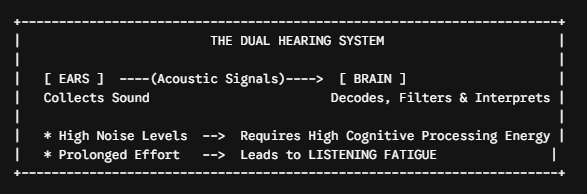
Listening fatigue—Frequently referred to as auditory fatigue or ear brain fatigue—is a state of mental and cognitive exhaustion resulting from prolonged strain in processing sound.
Hearing is a dual mechanism: your ears act as biological microphones that capture sound waves, but your brain acts as the central processor that decodes, filters, and assigns meaning to those signals. When you spend extended periods in a noisy acoustic environment, your auditory cortex and prefrontal cortex must exert elevated auditory cognitive load to separate human speech from ambient background noise.
When the brain works in overdrive to maintain speech comprehension amidst background clamor, its available cognitive energy rapidly depletes. The result is sound exhaustion, mental fog, reduced concentration, and physical weariness.
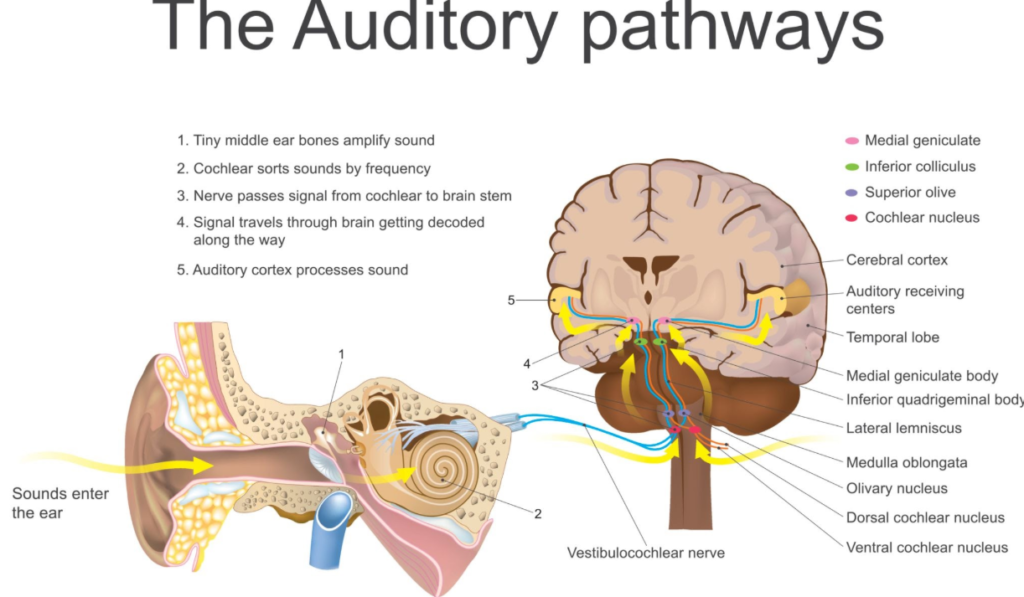
To understand why tired ears after noisy environment occurrences happen, we must examine how the human brain processes sound.
Under ideal conditions—a quiet room with a single speaker—your brain effortlessly receives acoustic data from the inner ear’s cochlea. However, in complex soundscapes, the signal-to-noise ratio drops dramatically. In a noisy cafe, for example, your brain must manage several intense tasks simultaneously:
1. Acoustic Scene Analysis: Identifying distinct acoustic sources (dishes clattering, background music, multiple conversations).
2. Auditory Selective Attention: Filtering out unwanted sounds while focusing on a single target voice.
3. Phonemic Restoration: Filling in missing fragments of words drowned out by background noise using context clues and working memory.
4. Visual Integration: Reading lips and tracking facial cues to supplement degraded speech signals.
Each of these tasks relies heavily on the prefrontal cortex—the region responsible for executive functioning, decision-making, and working memory. When forced to sustain high levels of concentration in loud settings, cognitive fatigue sets in quickly.
While anyone can experience auditory overload after a loud concert or event, several environmental and physical factors intensify listening fatigue symptoms:
1. Poor Signal-to-Noise Ratio (SNR)
When ambient noise rivals or exceeds the volume of the voice you are trying to hear, your brain works exponentially harder. Hard surfaces in modern architecture (tile, glass, concrete) bounce sound waves, causing reverberation that degrades speech clarity.
When hair cells in the cochlea are damaged, incoming auditory signals sent to the brain become distorted or incomplete. The brain must bridge these signal gaps through continuous mental guesswork. Consequently, individuals with untreated listening fatigue hearing loss report significantly higher rates of daily cognitive strain.
Modern open office layouts present an continuous stream of low-level background noise—keyboard clicks, HVAC systems, ambient chatter, and phone notifications. This persistent acoustic environment keeps the brain’s auditory system in a state of hyper-vigilance, preventing cognitive recovery throughout the day.
Wearing earbuds or headphones for long hours of virtual meetings creates continuous proximity to direct acoustic energy. This leads to localized cochlear fatigue and mental exhaustion by the end of the workday.
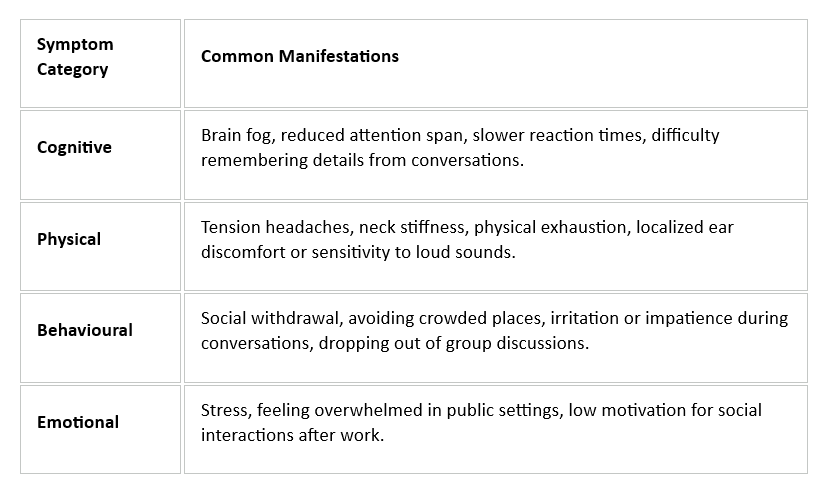
Recognizing the early warning signs of listening fatigue allows you to take corrective action before complete exhaustion takes hold.
EXCELLENTTrustindex verifies that the original source of the review is Google. Best servicePosted onTrustindex verifies that the original source of the review is Google. All type of hearing aids are availablePosted onTrustindex verifies that the original source of the review is Google. A trusted and familiar hearing aids clinicPosted onTrustindex verifies that the original source of the review is Google. Signia best h/aidPosted onTrustindex verifies that the original source of the review is Google. Signia best hearing aidPosted onTrustindex verifies that the original source of the review is Google. Signia best hearing aidPosted onTrustindex verifies that the original source of the review is Google. A range of hearing aids are availablePosted onTrustindex verifies that the original source of the review is Google. Very fast and prompt service......liked itPosted onTrustindex verifies that the original source of the review is Google. Hearing machine in good condition, staff is good and polite.Posted onTrustindex verifies that the original source of the review is Google. Best hearing aidsVerified by TrustindexTrustindex verified badge is the Universal Symbol of Trust. Only the greatest companies can get the verified badge who has a review score above 4.5, based on customer reviews over the past 12 months. Read more
A key insight emphasized by audiology experts at CC Saha Ltd. is that listening fatigue is often an early indicator of unmanaged hearing loss.
When mild or age-related hearing impairment begins, individuals may still “pass” basic casual conversations in quiet rooms. However, as background noise increases, their ability to parse speech drops significantly. Because they are unknowingly compensating with heightened mental effort, they experience severe fatigue long before recognizing actual clarity loss.
Using high-technology, custom-fitted hearing aids significantly reduces this mental burden. Modern digital hearing care solutions feature directional microphones, AI-driven noise reduction algorithms, and speech enhancement tools designed specifically to optimize the signal-to-noise ratio—allowing your brain to relax and process sound with minimal friction.
If loud environments routinely drain your vitality, adopting proactive habits can help conserve your mental energy.
Just as muscle groups require rest between sets at the gym, your brain needs acoustic quiet time to recover. Take 10–15 minute silent breaks during busy days—step outside into a quiet park, sit in a silent room, or practice mindful breathing without headphones.
When planning dinners or meetings, select venues with soft furnishings, carpeted floors, booth seating, or sound-dampening curtains. Avoid establishments with hard industrial surfaces or loud background music.
To prevent direct auditory fatigue, listen to personal audio at no more than 60% of maximum volume for no longer than 60 minutes at a time before taking a break.
In unavoidable noisy environments like concerts, high-traffic zones, or industrial workplaces, wear high-fidelity earplugs. Unlike standard foam earplugs that muffle sound, high-fidelity plugs reduce decibel levels evenly across frequencies, preserving speech clarity while reducing acoustic stress.
If you regularly experience tired ears after noisy environment exposures, schedule a comprehensive hearing evaluation with a qualified hearing care professional. A clinical assessment can pinpoint whether subtle high-frequency hearing loss is forcing your brain into continuous overcompensation.
Q1. What is listening fatigue?
Listening fatigue is a state of mental, cognitive, and physical exhaustion caused by prolonged exertion when processing sound in challenging or noisy environments. It occurs when the brain works overtime to filter background noise and interpret speech signals.
Q2. How does a loud environment drain your mental energy?
Loud environments decrease the signal-to-noise ratio, forcing the brain’s prefrontal cortex to exert extra cognitive effort. The brain must actively filter out ambient noise, reconstruct missing speech sounds, and maintain intense focus, which rapidly consumes cognitive reserves and leaves you feeling exhausted.
Q3. What are the main listening fatigue symptoms?
Key symptoms include cognitive brain fog, difficulty concentrating, headache, neck tension, irritability in social settings, social withdrawal, and a deep sense of physical weariness after spending time in noisy places.
Q4. Can people with normal hearing experience listening fatigue?
Yes. Even individuals with perfectly normal hearing thresholds can experience auditory fatigue in highly chaotic, reverberant, or loud acoustic environments. However, the condition is usually more pronounced in individuals with untreated hearing loss or processing difficulties.
Q5. What is the difference between physical exhaustion and ear brain fatigue?
Physical exhaustion results from bodily exertion, whereas ear brain fatigue stems from excessive cognitive load within the auditory cortex and executive processing regions of the brain. While your body remains still, your brain operates at full capacity to decode auditory information.
Q6. How is listening fatigue hearing loss connected?
When hearing loss degrades sound signals arriving from the inner ear, the brain must fill in missing acoustic information through guesswork and context. This continuous mental compensation leads directly to heightened listening fatigue.
Q7. How can modern hearing aids help reduce sound exhaustion?
Modern hearing aids incorporate artificial intelligence, automatic noise suppression, and directional microphones. By filtering out background noise and enhancing target speech frequencies, hearing aids lower the required cognitive effort, significantly mitigating daily exhaustion.
Q8. What is auditory cognitive load?
Auditory cognitive load refers to the amount of mental energy and working memory required by the brain to process, interpret, and pay attention to auditory signals in any given environment.
Q9. How to prevent listening fatigue during long workdays?
To minimize acoustic fatigue during work hours, schedule short periods of quiet, step away from noisy open offices, utilize noise-canceling headphones thoughtfully, limit total headphone duration using the 60/60 rule, and optimize indoor room acoustics where possible.
Q10. When should I see a hearing care professional at CC Saha Ltd.?
You should consult a hearing specialist if you consistently feel drained after social gatherings, struggle to comprehend speech in noisy settings, frequently ask people to repeat themselves, or experience ringing in the ears (tinnitus) following loud exposures.
Take Control of Your Hearing Health Today
Don’t let loud environments drain your vital energy or compromise your cognitive well-being. If you regularly experience listening fatigue, social exhaustion, or difficulty understanding speech in noisy settings, your brain may be working far harder than it needs to.
Experience Universal Accessibility at Your Nearest CC Saha Clinic: Click Here to Book Your Appointment
Speak to an Expert: Call our Toll-Free number 1800 570 9930 (Available Mon-Sat | 10:00 am – 6:30 pm)
Visit CC Saha Ltd.—90 Years of Trust and Excellence.
#ListeningFatigue #HearingHealth #AudiologyAvenue #CCSahaLtd #AuditoryOverload #HearingLossAwareness #CognitiveHealth #HearingAids #NoiseInducedFatigue #AudiologyCare
An in-depth guide to Receiver-in-Canal (RIC) hearing aids for new users. Discover why they’re popular for their discreet design, natural sound, and advanced features.

Uncover how Noise Cancelling Hearing Aids for Seniors in Kolkata are transforming the lives of Boomers and Gen X, providing unparalleled clarity in noisy environments and improving overall quality of life.
Discover how “bed binging” with devices like earphones can lead to irreversible hearing loss. Learn to protect your ears from damage.

Step into the future of hearing with AI-Powered Hearing Aids. This revolutionary technology goes far beyond simple amplification, offering personalized sound experiences, seamless smart device integration, and addressing the stigma often associated with hearing loss. Discover how CC Saha Ltd. can help you unlock a world of enhanced sound.

Discover comprehensive stuttering treatment for adults and children at CC Saha Ltd. Esplanade Clinic in Kolkata. Learn how expert therapy, personalized plans, and a supportive environment can help overcome stuttering and build lasting communication confidence, inspired by King George VI’s journey.

The unique climate of Kolkata, with its characteristic humidity, can present specific challenges for hearing aid batteries. Understanding the nuances of battery types, whether disposable or rechargeable, can significantly extend their life and the performance of your devices. Let’s delve into the best practices that will keep your hearing aids powered up and you connected to the world. At CC Saha Ltd., we believe in empowering you with knowledge, and these hearing aid battery tips for Kolkata are a testament to that commitment.