
Can hearing loss cause vertigo and balance problems?
Many seniors experience sudden disorientation, wondering: Can hearing loss cause vertigo and balance problems? Discover the link between inner ear balance disorders and healthy aging.
The arrival of the Indian monsoon brings much-needed respite from sweltering heat, transforming landscapes into lush greenery. However, for individuals living with hearing loss, the rainy season presents a double-edged sword. The dramatic surge in atmospheric moisture levels introduces severe risks to both physiological ear health and delicate electronic hearing technologies.
At CC Saha Ltd.’s Audiology Avenue, we prioritize your auditory wellness. Navigating the damp months requires an integrated approach that addresses physical biological care alongside advanced micro-engineering preservation. This comprehensive guide outlines the exact strategies on how to protect hearing aids from moisture and humidity, prevent common monsoon ear infections, utilize a specialized hearing aid dehumidifier, and invest in the finest waterproof hearing aids in Kolkata to guarantee uninterrupted sound clarity all year long.
To fully understand how to protect hearing aids from moisture and humidity, one must understand the microscopic vulnerabilities of modern digital hearing devices. Contemporary hearing aids are marvels of micro-engineering, containing sophisticated digital signal processors (DSPs), sensitive omnidirectional microphones, fragile acoustic receivers, and complex circuitry compressed into an incredibly compact chassis. Water is an excellent conductor of electricity; when airborne vapor or liquid drops seep into these components, they cause catastrophic systemic failures.
High atmospheric humidity levels characteristic of the Indian monsoon trigger localized condensation loops inside your device. This phenomenon is most severe inside the physical battery compartment of traditional zinc-air hearing aids.
Zinc-air batteries rely on microscopic air holes on their outer shell to draw in oxygen, which reacts with internal zinc to produce electrical currents. In highly saturated monsoon environments, these air access holes pull in airborne water vapor along with oxygen. As a result:
Beyond the battery door, high humidity impacts the acoustic path of your device. The microphone ports, which feature ultra-thin diaphragms designed to catch sound waves, can trap microscopic condensation layers. This blocks incoming acoustic waves, leading to heavily muffled sounds or complete acoustic distortion. Similarly, condensation forming within the sound tubing of Behind-the-Ear (BTE) models creates tiny water bubbles that bounce back and forth, producing frustrating static, crackling noises, or feedback loops.
True ear care during the rainy season cannot focus solely on the exterior technology; it must encompass the health of the ear canal itself. The combination of high ambient heat and soaring humidity turns the human ear canal into a prime breeding ground for opportunistic pathogens.
When you introduce a custom hearing aid mold or dome into this environment, you naturally seal off the canal, trapping body heat and sweat. This creates an ideal incubation chamber for bacteria and fungi, leading to sharp spikes in seasonal medical cases.
Often referred to as “Swimmer’s Ear” or monsoon otitis externa, Otomycosis is a fungal infection of the outer ear canal lining, frequently caused by Aspergillus or Candida species. When humidity levels consistently exceed 70–80%, fungal spores germinate rapidly on the moist skin lining of the ear canal.
In addition to fungi, stagnant rainwater or contaminated moisture transferring from your hands to your ears can introduce bacterial pathogens like Pseudomonas aeruginosa. This leads to painful swelling of the canal, severe pain when pulling the earlobe, and conductive hearing loss caused by localized swelling and fluid blockages.
When considering how to protect hearing aids from moisture and humidity, active drying must become an uncompromised part of your nightly routine. Leaving your devices on a bedside table during July or August allows ambient humidity to degrade internal circuits overnight. To counter this, every hearing aid user must utilize a dedicated hearing aid dehumidifier. These maintenance tools fall into two main categories: passive desiccant systems and advanced electronic drying stations.
Passive drying boxes utilize chemically engineered desiccant blocks or loose silica crystals to pull ambient moisture out from enclosed environments.
For maximum tech durability in coastal or high-rain regions like West Bengal, an electronic hearing aid dryer is highly recommended over passive kits.
To ensure your investment stands up to the demands of the season, incorporate this structured, step-by-step daily maintenance protocol into your schedule:
While careful daily maintenance is effective, the most reliable long-term strategy for uncompromised hearing during the rainy season is upgrading to modern, ruggedized technology. At CC Saha Ltd.’s specialized clinics, we showcase the latest generation of sweat-resistant and fully waterproof hearing aids in Kolkata, engineered specifically to withstand challenging tropical climates.
When evaluating the durability of a hearing device, pay close attention to its Ingress Protection (IP) rating. The gold standard for modern hearing tech durability is an IP68 rating.
Our audiologists fit advanced, world-class hearing solutions designed to neutralize the threats of heavy rain and high humidity:
By choosing these modern designs, users can step outside into changing weather with complete confidence, knowing their access to sound is fully protected.
EXCELLENTTrustindex verifies that the original source of the review is Google. Best servicePosted onTrustindex verifies that the original source of the review is Google. All type of hearing aids are availablePosted onTrustindex verifies that the original source of the review is Google. A trusted and familiar hearing aids clinicPosted onTrustindex verifies that the original source of the review is Google. Signia best h/aidPosted onTrustindex verifies that the original source of the review is Google. Signia best hearing aidPosted onTrustindex verifies that the original source of the review is Google. Signia best hearing aidPosted onTrustindex verifies that the original source of the review is Google. A range of hearing aids are availablePosted onTrustindex verifies that the original source of the review is Google. Very fast and prompt service......liked itPosted onTrustindex verifies that the original source of the review is Google. Hearing machine in good condition, staff is good and polite.Posted onTrustindex verifies that the original source of the review is Google. Best hearing aidsVerified by TrustindexTrustindex verified badge is the Universal Symbol of Trust. Only the greatest companies can get the verified badge who has a review score above 4.5, based on customer reviews over the past 12 months. Read more
Q1. How can I protect my hearing aids from moisture and humidity if I get caught out in a sudden monsoon downpour?
If you are caught in an unexpected rainstorm, immediately remove your hearing aids and place them inside a sealed, waterproof travel case. If they do get wet, turn them off immediately and remove the battery if applicable. Wipe the exterior with a clean microfiber cloth, and place the open devices into a hearing aid dehumidifier or an electronic drying station for a full cycle. Never use a hair dryer, microwave, or direct sunlight to dry them, as extreme heat will melt the internal circuits.
Q2. What are the earliest warning signs that my hearing aid has suffered moisture damage?
The earliest signs of moisture damage include a crackling or static noise in the audio stream, sound output that fades or cuts out intermittently, or a distorted, muffled audio quality. Additionally, if your device begins draining batteries much faster than usual or turns off unexpectedly even with fresh batteries, it is highly likely that internal condensation is shorting out the circuit boards.
Q3. Can a standard hearing aid dehumidifier completely save a device that has been dropped in rainwater?
A dehumidifier can save a water-exposed device if you act quickly. The key is to immediately turn off the device and avoid turning it back on until it has dried completely for at least 24 to 48 hours inside a high-quality drying system. However, rainwater contains microscopic impurities and minerals that can cause long-term corrosion. If the device does not function perfectly after drying, bring it to a professional technician at CC Saha Ltd. for a deep internal cleaning.
Q4. Why are monsoon ear infections more common among hearing aid users, and how can they be avoided?
The physical dome or custom mold of a hearing aid creates a seal that blocks natural airflow into the ear canal. During hot, humid monsoon days, this traps body heat and sweat inside, turning the canal into a damp incubation chamber for bacteria and fungi like Otomycosis. You can prevent these infections by cleaning your ears safely with a towel, sanitizing your ear molds daily with antimicrobial wipes, and leaving your devices out for a few hours to let your ear canals breathe.
Q5. Are there fully waterproof hearing aids in Kolkata that I can wear while walking out in heavy rain?
Yes, modern premium options like the Phonak Audéo Lumity Life are engineered with a fully sealed housing and an advanced Parylene nano-coating specifically designed to handle immersion. While these devices can withstand heavy rain and sweat without failing, we still recommend using an umbrella or a hood during severe downpours to keep the microphone ports clear of direct water blocks, ensuring the clearest possible sound.
Q6. How often should I replace or reactivate the silica crystals in my passive drying box during the rainy season?
During the peak of the monsoon, high atmospheric humidity will cause silica crystals to saturate much faster than during dry winter months. You should check the color indicator daily. If the crystals have shifted from their active color (e.g., orange) to their saturated color (e.g., green or pale pink), they must be replaced or reactivated immediately. During the rainy season, this refresh cycle may be required every 2 to 3 weeks.
Q7. Is it safe to use a home electronic dehumidifier around my rechargeable hearing aid models?
Yes, electronic drying stations designed specifically for hearing care are completely safe for modern rechargeable systems. These units use a precisely regulated, low-temperature warm air stream (usually around 40°C) that evaporates moisture without reaching temperatures that could degrade lithium-ion batteries. Always verify that your electronic dryer is certified safe for rechargeable options by consulting with your audiologist.
Q8. What professional support does CC Saha Ltd. offer to maintain tech durability during the monsoon?
CC Saha Ltd. provides comprehensive monsoon care services, including professional deep-cleaning, vacuum desiccation to remove deep internal moisture, acoustic performance testing, and replacement of degraded microphone guards or tubing. If you suspect your device has been exposed to high humidity, our team can inspect and service your hearing aids to prevent long-term corrosion.
Q9. Do moisture sleeves or sweatbands provide effective protection for non-waterproof hearing aid models?
Yes, acoustic moisture sleeves or sweatbands made of spandex or water-repellent fabrics offer an excellent, cost-effective extra layer of defense for standard devices. They fit snugly over the body of Behind-the-Ear (BTE) or Receiver-in-Canal (RIC) models, catching sweat and light rain before it can seep into the seam lines or battery doors.
Q10. Can I use home remedies like placing my wet hearing aid in a bowl of uncooked rice?
No, you should never place a hearing aid in a bowl of uncooked rice. Rice contains fine starch dust and powder that can easily enter the microphone ports, receiver openings, and battery doors. Once inside, this dust mixes with moisture to form a thick paste that can permanently ruin the delicate internal components of your device. Always rely on proper desiccant crystals or an electronic drying station.
Don’t Let Monsoon Moisture Dampen Your World!
Is your hearing aid crackling, cutting out, or struggling to keep up with Kolkata’s heavy rains? Don’t risk permanent tech damage or painful monsoon ear infections. Protect your investment and your hearing health by booking a professional Monsoon Diagnostic & Deep-Cleaning Session at CC Saha Ltd. today!
Whether you need to stock up on high-grade hearing aid dehumidifiers or want to test-drive the latest IP68 waterproof hearing aids in Kolkata, our expert audiologists are here to help you stay connected, rain or shine.
Experience Universal Accessibility at Your Nearest CC Saha Clinic: Click Here to Book Your Appointment
Speak to an Expert: Call our Toll-Free number 1800 570 9930 (Available Mon-Sat | 10:00 am – 6:30 pm)
Visit CC Saha Ltd.—90 Years of Trust and Excellence.
#HearingAidCare #MonsoonEarCare #HearingAidDehumidifier #WaterproofHearingAids #KolkataAudiology #CCSahaLtd #EarInfections #AudiologyAvenue #HearingLossSolutions #MonsoonTechCare
Many seniors experience sudden disorientation, wondering: Can hearing loss cause vertigo and balance problems? Discover the link between inner ear balance disorders and healthy aging.
Understanding early childhood milestones is crucial for every parent. This deep-dive guide into Pediatric Speech & Language Development covers speech delay in toddlers, age-specific milestones from 2 to 5, the diagnostic role of a psychometric test for speech therapy, and the hidden link between pediatric hearing health and language production. Learn how a trusted pediatric speech therapist Kolkata can help unleash your child’s full potential.
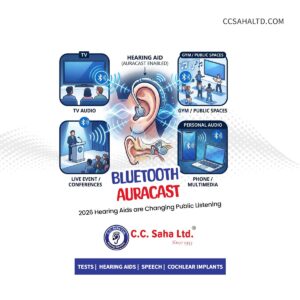
As a milestone in assistive tech, Bluetooth Auracast is redefining how 2026 hearing aids interact with public spaces. Explore its massive impact on universal accessibility and clear sound.

While pure-tone audiometry remains the bedrock of hearing healthcare, it relies heavily on conscious patient feedback. Read our complete expert guide, Beyond the Standard Audiogram: When Do You Need a BERA or ASSR Test? to explore how objective brainwave tracking changes how we diagnose complex hearing issues.
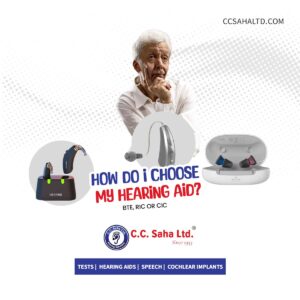
If you’ve ever asked yourself, “how do I choose my hearing aid,” you aren’t alone. This 1,800-word authoritative breakdown from Audiology Avenue covers acoustic profiles, rechargeable blue noise cancellation, and leading devices from Phonak, Signia, and Starkey.

Don’t let hearing loss hold back your wanderlust. Follow these essential, audiologist-backed tips for travelling with your Hearing Aid to navigate airports, hotels, and new climates with confidence.