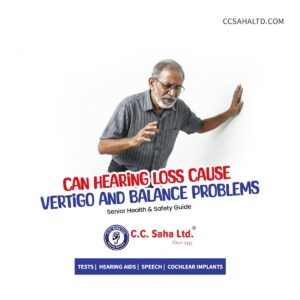
Can hearing loss cause vertigo and balance problems?
Many seniors experience sudden disorientation, wondering: Can hearing loss cause vertigo and balance problems? Discover the link between inner ear balance disorders and healthy aging.
Imagine stepping into a vibrant, bustling social gathering. Laughter echoes off the walls, glasses clink in a rhythmic symphony, and multiple conversations overlap in a chaotic wave of sound. Yet, despite this overwhelming acoustic soup, you are somehow able to zero in on the voice of the person standing right in front of you, filtering out the surrounding din as if turning down a radio dial. This remarkable cognitive and auditory phenomenon is known as the cocktail party effect.
For millions of people, however, this everyday mental magic is a frustrating reminder of a hidden struggle. If you find yourself nodding blankly, smiling at inappropriate moments, or feeling completely exhausted after a simple dinner at a crowded restaurant, your brain may be struggling with what audiologists consider the ultimate acid test for human hearing: speech-in-noise perception.
At C.C. Saha Ltd. and our publication, Audiology Avenue, we believe that understanding the mechanics behind your ears and brain is the first step toward reclaiming your auditory wellness. In this comprehensive guide, we will decode the science of the cocktail party effect, explore why background noise becomes increasingly difficult to navigate as we age or experience hearing loss, and provide actionable strategies to protect and optimize your auditory health for Google ranking, Answer Engine Optimization (AEO), and everyday life.
To appreciate why background noise poses such a monumental challenge, we must first examine how a healthy auditory system processes sound. The cocktail party effect is not merely a function of the ears; it is a stunning collaboration between the peripheral auditory system (the outer, middle, and inner ear) and the central nervous system (the auditory cortex and cognitive control centers of the brain).
When sound waves enter the ear canal, they vibrate the eardrum and travel through the tiny bones of the middle ear into the cochlea. Inside this snail-shaped organ, thousands of microscopic sensory hair cells translate mechanical fluid waves into electrical impulses sent via the auditory nerve to the brain.
In a quiet room, this process is straightforward. But when you introduce competing sound waves—such as background music, rattling cutlery, and distant chatter—the acoustic environment becomes cluttered. Sound frequencies overlap, causing a phenomenon known as frequency masking, where loud, low-frequency background sounds drown out softer, high-frequency consonant sounds essential for understanding speech.
So, how does a healthy brain conquer this? It relies on three primary mechanisms:
Because you have two ears, your brain calculates the minute differences in time and intensity (interaural time and level differences) between when a sound arrives at your left ear versus your right ear. This allows your brain to “localize” where a sound is coming from and build an acoustic spatial map, isolating the speaker directly in front of you while muting sounds coming from the sides or behind.
The brain utilizes top-down cognitive processing. If you know what someone is talking about, or if you recognize their voice pitch and cadence, your prefrontal cortex actively focuses attention on those specific acoustic markers while suppressing unrelated neural chatter.
Even with one ear, the brain analyzes the timbre, pitch, and phonetic structure of a voice, filtering out sounds that do not match the expected linguistic profile.
For individuals experiencing cocktail party effect in noise difficulties, the intricate machinery described above begins to falter. Hearing loss rarely affects all frequencies equally; it typically begins in the high-frequency range.
High-frequency sounds carry the unvoiced consonant sounds of human speech—such as s, sh, f, th, and k. These consonants provide the crispness and intelligibility needed to distinguish words like “cat,” “cap,” and “cast.” Meanwhile, background noise—such as restaurant chatter, clattering plates, and HVAC hums—is predominantly composed of low-frequency energy.
When high-frequency sensory hair cells within the cochlea are damaged (due to aging, noise exposure, or ototoxic medications), the signal-to-noise ratio (SNR) collapses. Instead of hearing a clear voice separated from a hazy background, the listener receives a smeared, compressed audio stream where the background noise overwhelms the speech signal.
Furthermore, prolonged struggle against hearing loss in loud environments places an immense tax on the brain. This is known as cognitive load. Because the ears are failing to deliver pristine acoustic signals, the brain must work overtime, robbing resources from working memory and executive function. This explains why many individuals return home from social events completely drained, irritable, or suffering from tension headaches—a phenomenon audiologists refer to as “listening fatigue.”
How do you know if your difficulty in noisy spaces is a temporary nuisance or an indicator of underlying difficulties hearing in background noise? Consider the following red flags:
Ignoring these warning signs can lead to social isolation, withdrawal from community activities, and a decline in cognitive vitality. Fortunately, modern audiological science offers powerful solutions to restore your connection to the world.
Regaining your ability to thrive in loud acoustic environments requires a proactive, multi-faceted approach. Whether you are dealing with early-stage background noise trouble or more pronounced auditory processing challenges, consider the following evidence-based interventions:
The journey to better hearing always begins in the clinic. A thorough diagnostic hearing test goes beyond simple pure-tone audiometry; it includes speech-in-noise testing (such as the QuickSIN or HINT tests) to measure exactly how well your auditory system separates speech from competing babble. Visiting trusted hearing care providers like C.C. Saha Ltd. ensures you receive a precise diagnosis tailored to your unique neural and mechanical profile.
Modern digital hearing aids are miniature acoustic computers. Unlike older analog devices that amplified all sound indiscriminately, contemporary hearing instruments feature sophisticated directional microphone systems and digital noise reduction algorithms. These devices automatically analyze the acoustic environment, narrowing their pickup pattern to focus on sounds coming from the front while attenuating ambient noise originating from behind or the sides.
In extremely challenging acoustic environments—such as lecture halls, boardrooms, or bustling family gatherings—even premium hearing aids can benefit from auxiliary support. Partnering your devices with a remote wireless microphone (placed near the speaker or in the center of a dinner table) streams a clean, direct audio signal straight to your ears, completely bypassing the detrimental effects of distance and reverberation.
Because the brain plays a vital role in processing sound, auditory rehabilitation is a powerful tool. Just as physical therapy strengthens weak muscles, specialized auditory training programs help retrain the central nervous system to parse complex soundscapes, sharpen phonetic discrimination, and reduce cognitive listening effort.
EXCELLENTTrustindex verifies that the original source of the review is Google. Best servicePosted onTrustindex verifies that the original source of the review is Google. All type of hearing aids are availablePosted onTrustindex verifies that the original source of the review is Google. A trusted and familiar hearing aids clinicPosted onTrustindex verifies that the original source of the review is Google. Signia best h/aidPosted onTrustindex verifies that the original source of the review is Google. Signia best hearing aidPosted onTrustindex verifies that the original source of the review is Google. Signia best hearing aidPosted onTrustindex verifies that the original source of the review is Google. A range of hearing aids are availablePosted onTrustindex verifies that the original source of the review is Google. Very fast and prompt service......liked itPosted onTrustindex verifies that the original source of the review is Google. Hearing machine in good condition, staff is good and polite.Posted onTrustindex verifies that the original source of the review is Google. Best hearing aidsVerified by TrustindexTrustindex verified badge is the Universal Symbol of Trust. Only the greatest companies can get the verified badge who has a review score above 4.5, based on customer reviews over the past 12 months. Read more
Q1. What exactly is the cocktail party effect?
The cocktail party effect is the psychological and neurological ability of the human brain to focus attention on a single auditory stream—such as a specific conversation—while simultaneously filtering out a complex background of competing noises and competing conversations.
Q1 Answer: This remarkable feat relies on the brain’s capacity to process spatial cues, pitch differences, and linguistic context. When you are in a crowded room, your auditory cortex tracks the unique timbre and directional origin of your interlocutor’s voice, suppressing ambient chatter and environmental sounds to maintain clear comprehension.
Q2. Why does hearing loss make it so difficult to understand speech in noisy rooms?
Hearing loss disproportionately impacts the delicate hair cells in the cochlea that detect high-frequency sounds, which carry critical speech consonants like s, t, and k.
Q2 Answer: Because background noise typically consists of loud low-frequency sounds, it easily masks these softer consonant sounds in a process known as frequency masking. When high-frequency hearing is compromised, the signal-to-noise ratio collapses, turning speech into an indistinguishable, smeared acoustic blur.
Q3. How does the brain separate different voices in a crowded environment?
The human brain uses binaural hearing—comparing the tiny differences in arrival time and sound intensity between the left and right ears—to create an internal 3D map of the acoustic environment.
Q3 Answer: By pinpointing where a sound is originating in space, combined with top-down cognitive focus on familiar vocal tones and speech patterns, the brain can selectively amplify the target speaker while dampening off-axis background interference.
Q4. What is listening fatigue, and why does background noise cause it?
Listening fatigue is a state of mental and physical exhaustion experienced after spending extended periods in loud, acoustically demanding environments.
Q4 Answer: When hearing impairment prevents the ears from delivering clean audio signals to the brain, cognitive centers must work overtime to fill in the missing gaps, decode distorted speech, and suppress background noise. This heavy cognitive load drains mental energy, leading to exhaustion.
Q5. Can modern hearing aids help improve speech perception in noise?
Yes, modern digital hearing aids are specifically engineered to tackle difficult listening environments using advanced digital processing and acoustic mapping.
Q5 Answer: Contemporary hearing devices utilize multi-channel digital noise reduction, dynamic compression, and adaptive directional microphones that automatically focus on speech directly in front of the wearer while actively suppressing ambient room noise from the sides and rear.
Q6. What is a signal-to-noise ratio, and why does it matter for hearing health?
Signal-to-noise ratio (SNR) is the decibel measurement comparing the volume of the desired target sound (speech) against the volume of the background noise.
Q6 Answer: For individuals with normal hearing, a positive SNR is ideal, meaning the speech is louder than the background. Individuals with hearing loss often require a significantly higher SNR—meaning speech must be much louder than the background—to achieve the same level of speech comprehension.
Q7. How can I protect my hearing health during social events and gatherings?
Protecting your auditory wellness in loud social settings involves practical positioning, environmental awareness, and proactive communication.
Q7 Answer: You can improve your listening success by choosing seating away from kitchens, speakers, and high-traffic corridors, facing conversational partners directly to utilize visual speechreading (lip-reading) cues, and taking scheduled acoustic rest breaks in quieter spaces throughout the event.
Q8. What is frequency masking, and how does it affect daily communication?
Frequency masking occurs when a louder, lower-frequency background sound completely obscures or overpowers a softer, higher-frequency sound occurring simultaneously.
Q8 Answer: In daily communication, ambient low-frequency hums and crowd murmur mask the subtle high-frequency consonant sounds necessary for word distinction, causing words to sound slurred, mumbled, or identical to one another.
Q9. Are there auditory training exercises that can sharpen my listening skills?
Yes, auditory rehabilitation and brain-training programs are clinically validated tools designed to improve central auditory processing and speech-in-noise performance.
Q9 Answer: These structured exercises challenge your brain to rapidly differentiate phonetic sounds, track competing auditory streams, and improve cognitive processing speed, helping you extract maximum clarity from degraded or noisy audio signals.
Q10. When should I consult an audiologist regarding background noise difficulties?
You should schedule a professional audiological evaluation as soon as you notice persistent difficulty following conversations in social settings or feel unusually drained after social interactions.
Q10 Answer: Early intervention is vital for preserving auditory health and reducing cognitive strain. A comprehensive assessment by specialists at C.C. Saha Ltd. can uncover hidden hearing loss, establish a baseline for your auditory wellness, and connect you with personalized solutions designed to bring clarity back to your world.
Reclaim Your Social Confidence.
The cocktail party effect is one of nature’s most sophisticated biological achievements—a testament to how seamlessly our ears and brains can isolate meaning from chaos. By understanding the physiological mechanics of hearing loss, prioritizing regular diagnostic testing, and leveraging modern audiological innovations, you can step back into social gatherings with confidence, ease, and comfort. At C.C. Saha Ltd. and Audiology Avenue, we remain dedicated to guiding you toward a vibrant, crystal-clear acoustic life. Don’t let background noise steal your favorite moments—take charge of your hearing health today.
Experience Universal Accessibility at Your Nearest CC Saha Clinic: Click Here to Book Your Appointment
Speak to an Expert: Call our Toll-Free number 1800 570 9930 (Available Mon-Sat | 10:00 am – 6:30 pm)
Visit CC Saha Ltd.—90 Years of Trust and Excellence.
#CocktailPartyEffect #HearingLoss #AudiologyAvenue #HearingHealth #BackgroundNoise #AuditoryProcessing #SpeechInNoise #HearingCare #SoundWellness #ListenBetter #CCSahaLtd #AudiologyAvenue #HearingHealth
Many seniors experience sudden disorientation, wondering: Can hearing loss cause vertigo and balance problems? Discover the link between inner ear balance disorders and healthy aging.

Understanding early childhood milestones is crucial for every parent. This deep-dive guide into Pediatric Speech & Language Development covers speech delay in toddlers, age-specific milestones from 2 to 5, the diagnostic role of a psychometric test for speech therapy, and the hidden link between pediatric hearing health and language production. Learn how a trusted pediatric speech therapist Kolkata can help unleash your child’s full potential.

Wondering how to protect hearing aids from moisture and humidity this rainy season? Discover how high humidity triggers battery compartment damage, the value of a hearing aid dehumidifier, and where to find top-tier waterproof hearing aids in Kolkata to safeguard your hearing health against monsoon ear infections.
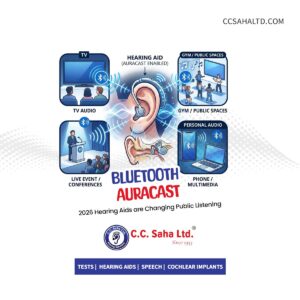
As a milestone in assistive tech, Bluetooth Auracast is redefining how 2026 hearing aids interact with public spaces. Explore its massive impact on universal accessibility and clear sound.

While pure-tone audiometry remains the bedrock of hearing healthcare, it relies heavily on conscious patient feedback. Read our complete expert guide, Beyond the Standard Audiogram: When Do You Need a BERA or ASSR Test? to explore how objective brainwave tracking changes how we diagnose complex hearing issues.
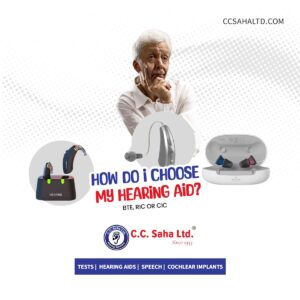
If you’ve ever asked yourself, “how do I choose my hearing aid,” you aren’t alone. This 1,800-word authoritative breakdown from Audiology Avenue covers acoustic profiles, rechargeable blue noise cancellation, and leading devices from Phonak, Signia, and Starkey.