Q1. What is the main connection between untreated hearing loss and dementia risk?
Untreated hearing loss increases dementia risk through three primary mechanisms: cognitive overload (forcing the brain to work harder to decode sound at the expense of memory), structural brain atrophy (shrinkage of the auditory cortex from lack of sensory stimulation), and social isolation, which deprives the brain of vital mental stimulation.
Q2. Can using digital hearing aids reverse existing memory loss or dementia?
While digital hearing aids cannot reverse pre-existing neurodegenerative damage or cure diagnosed dementia, landmark clinical research such as the ACHIEVE study proves that proper audiological intervention slows down the rate of cognitive decline by up to 48% in older adults at risk, preserving remaining mental sharpness and memory function.
Q3. At what age should I start scheduling regular clinical hearing tests?
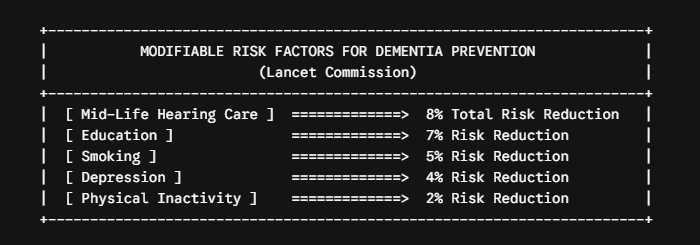
The Lancet Commission identifies mid-life (ages 45 to 65) as the critical window where untreated hearing loss begins to impact long-term dementia risk. Audiologists recommend establishing a baseline clinical hearing test by age 45 to 50, followed by annual or biennial check-ups to catch subtle sensorineural changes early.
Q4. How does cognitive fatigue caused by hearing impairment affect daily brain function?
When acoustic inputs are unclear, the brain uses extra mental energy attempting to decode garbled speech patterns. This diverted cognitive energy leaves fewer mental resources available for working memory, focus, problem-solving, and critical thinking, leading to severe mental tiredness after routine social interactions.
Q5. What did the Johns Hopkins and ACHIEVE studies discover about hearing aids and cognitive health?
The Johns Hopkins-led ACHIEVE study was a 3-year randomized controlled trial of 977 older adults. It revealed that treating hearing loss with properly fitted digital hearing aids slowed down the rate of thinking and memory loss by 48% over three years among seniors at increased risk for cognitive decline.
Q6. What are the earliest subtle signs of age-related hearing loss (presbycusis)?
Early signs include difficulty understanding speech in noisy environments (like busy restaurants), feeling that people are mumbling, needing the television or radio volume set higher than others prefer, experiencing ringing in the ears (tinnitus), and feeling mentally drained after long conversations.
Q7. How does auditory deprivation lead to structural brain atrophy?
When the ear fails to transmit clear sound impulses to the central auditory system, the corresponding auditory regions in the brain’s temporal lobe receive insufficient stimulation. Over time, the brain prunes away these underutilized neural connections, leading to accelerated grey matter shrinkage and loss of brain volume.
Q8. Is sudden sensorineural hearing loss (SSHL) also linked to higher dementia risk?
Yes, clinical studies published in PMC medical databases show that sudden sensorineural hearing loss (SSHL)—an otological emergency characterized by a rapid drop in hearing—is associated with a 1.39 times higher likelihood of developing all-cause dementia compared to individuals without a history of SSHL.
Q9. Why are modern digital hearing aids more effective for brain health than older analog devices?
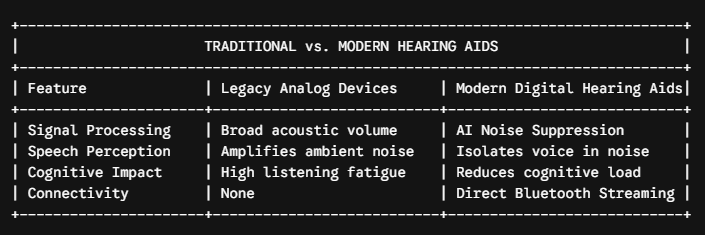
Unlike legacy analog devices that simply amplified all ambient noise indiscriminately, modern digital hearing aids utilize advanced signal processing and AI to isolate speech frequencies, reduce background chatter, and deliver clear audio inputs directly to the brain, significantly lowering cognitive strain.
Q10. How can CC Saha Ltd. and Audiology Avenue help individuals manage hearing loss and cognitive health?
CC Saha Ltd. provides comprehensive diagnostic audiological assessments, personalized hearing care strategies, and advanced digital hearing aid technology through its expert platform Audiology Avenue. Their certified audiologists help patients optimize speech perception, reduce cognitive fatigue, and safeguard long-term brain health.