Q1. Is hearing loss in elderly in India a normal part of aging that should just be accepted?
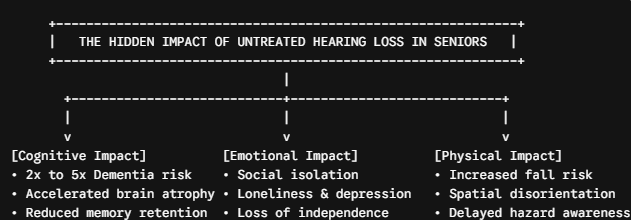
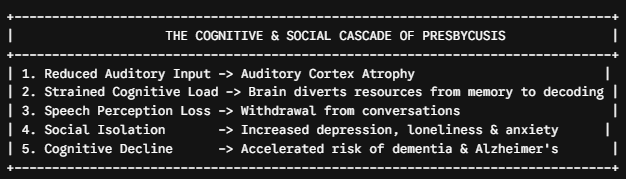
While age related hearing loss in India (presbycusis) is very common as the auditory nerve natural ages, it should never be passively accepted without intervention. Untreated hearing loss accelerates cognitive decline, increases dementia risks, and leads to severe emotional isolation. Modern elderly hearing impairment treatment India options can restore speech clarity and significantly enhance quality of life.
Q2. What are the earliest signs of hearing loss in elderly in India?
Early warning signs include turning the TV or radio volume unusually high, asking people to repeat themselves frequently, struggling to follow group conversations, misinterpreting words in noisy environments, and gradually pulling away from social interactions due to listening fatigue.
Q3. How does untreated age related hearing loss in India affect mental health?
Untreated hearing loss prevents seniors from engaging naturally with family and friends. This communication barrier causes frustration, embarrassment, chronic anxiety, and deep social isolation. Research shows that seniors with unmanaged hearing loss face a significantly higher risk of depression compared to those with healthy hearing or treated hearing impairment.
Q4. Can hearing aids cure presbycusis completely?
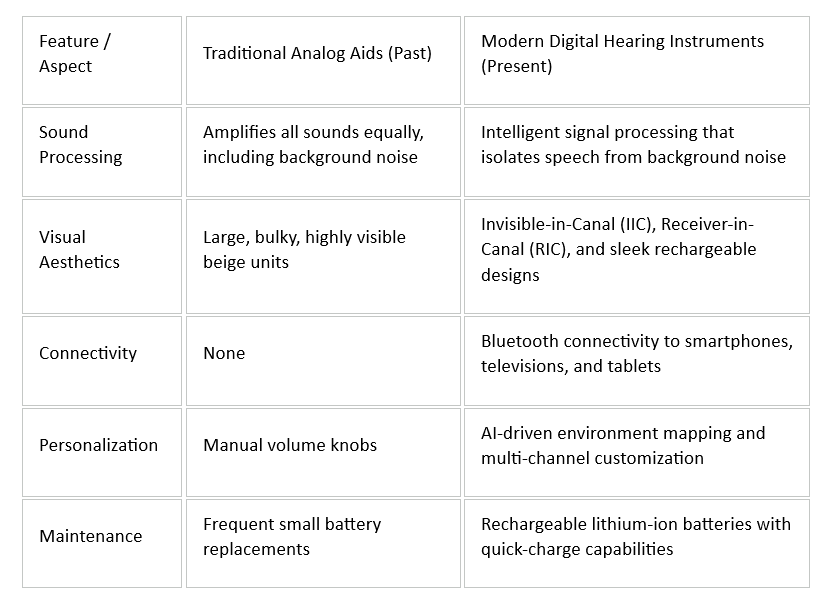
Hearing aids do not cure damaged sensory hair cells in the inner ear, but they successfully compensate for the loss. High-precision digital devices amplify specific missing frequencies, filter background noise, and sharpen speech clarity, allowing the brain to process sound signals effectively again.
Q5. What should we expect during an audiological assessment for a senior?
A professional audiological assessment is a non-invasive, painless process. An audiologist inspects the ear canal with an otoscope, performs Pure Tone Audiometry to map hearing thresholds across various frequencies, and conducts speech recognition testing to determine how well the brain interprets speech.
Q6. Why do many seniors resist wearing hearing aids in India?
Resistance usually stems from the cultural stigma associated with physical weakness, fear of looking old, vanity, past experiences with outdated analog devices, or the misconception that hearing aids are uncomfortable or ineffective. Open family discussions and modern, sleek, nearly invisible devices help overcome these concerns.
Q7. How does hearing loss in elderly in India contribute to fall risks?
The inner ear controls both hearing and balance. Hearing loss reduces spatial awareness, making it difficult for seniors to locate environmental cues and movement. Additionally, when the brain spends excess cognitive energy trying to hear, fewer cognitive resources remain dedicated to maintaining balance and posture.
Q8. Are modern hearing aids suitable for seniors with memory or dexterity problems?
Yes! Today’s hearing care technology includes lithium-ion rechargeable options, eliminating the need to handle small button batteries. Many modern devices feature automatic environment-switching AI, adjusting settings automatically so seniors do not have to manipulate tiny controls.
Q9. Where can families in Kolkata and Eastern India seek reliable elderly hearing impairment treatment India?
Families can trust specialized hearing care providers like CC Saha Ltd., a pioneering name in audiology services in Kolkata. CC Saha Ltd. offers complete diagnostic evaluations, personalized hearing aid fittings, speech therapy, and long-term device maintenance tailored specifically for senior care.
Q10. What role do family members play in managing hearing health in older adults?
Family members play a vital role by identifying early signs of hearing degradation, initiating gentle conversations without judgement, accompanying seniors to clinic appointments, and offering patient support while the senior adapts to hearing instruments.